Change
Location

Currently Using The English Site.

 
/en/technology/review_library/2026/__icsFiles/afieldfile/2026/09/30/59-2.jpg

1.New Frontiers Achieved through Technological Diversity

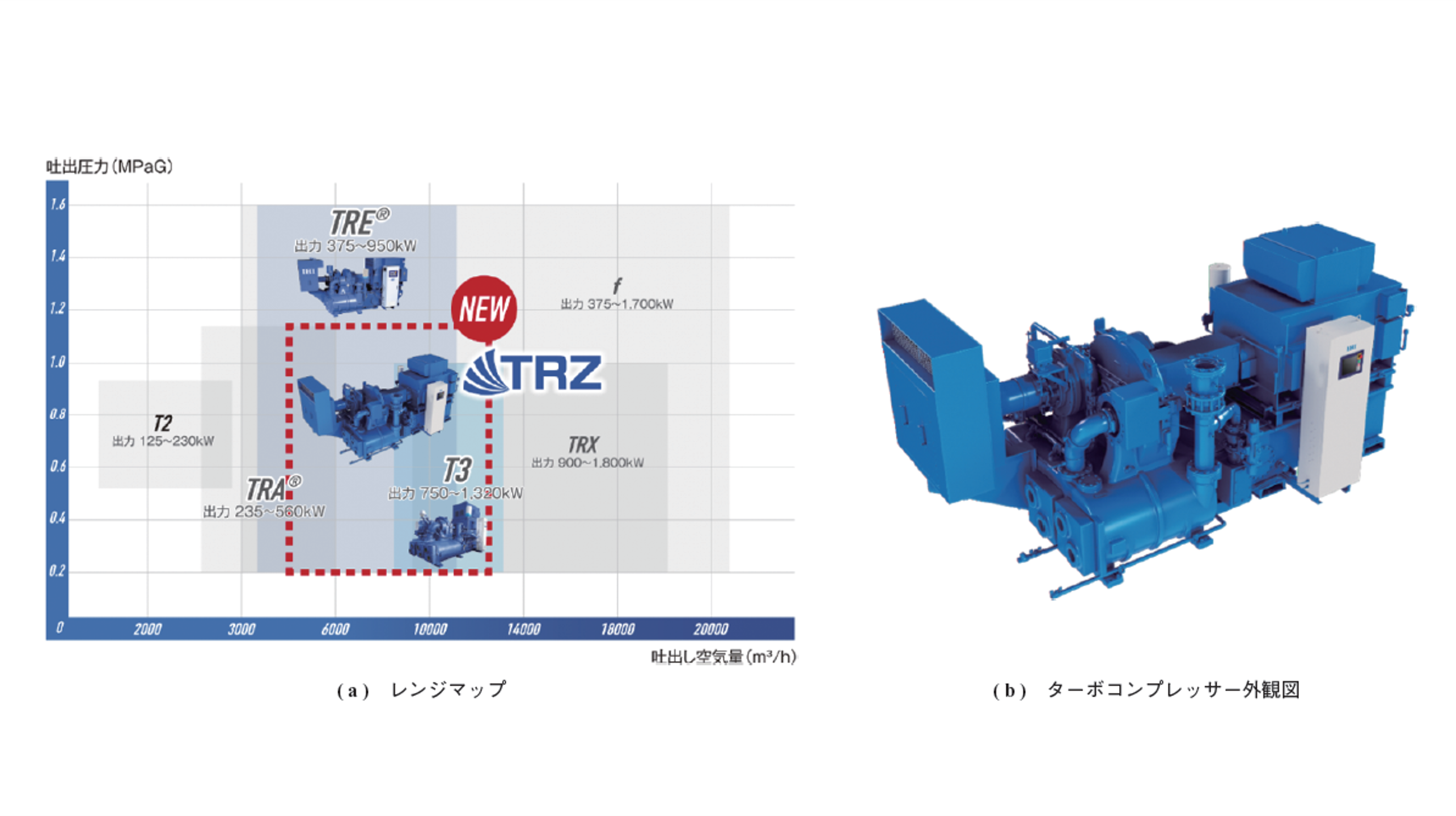
New Turbo Compressor Achieving High Efficiency Through Advanced Technologies
Contributing to reducing plant operating costs and achieving energy-saving targets

  • IHI Rotating Machinery Engineering Co., Ltd.

IHI Rotating Machinery Engineering Co., Ltd. (IRM) has developed a new product, the “TRZ Series turbo compressor.” By adopting advanced technologies for components such as impellers and bearings, this new model achieves higher flow capacity and improved performance compared to conventional models. This article introduces its development overview and product features.
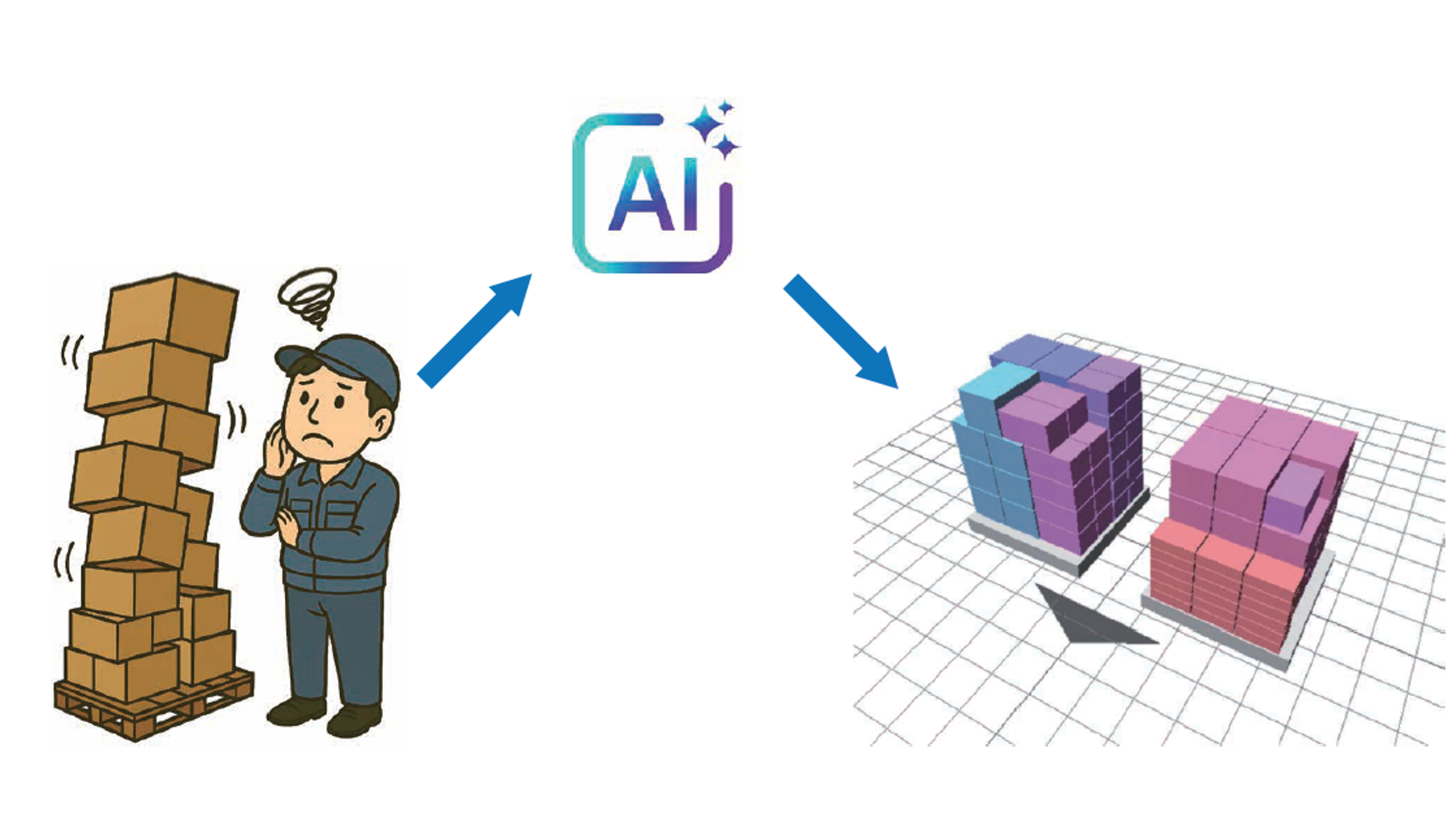
Automated Planning of Mixed-Load Palletizing Using Artificial Intelligence
Automating palletizing operations in logistics warehouses through integration with robots

  • IHI Corporation

The IHI Group has developed a palletizing system capable of mixed-loading of multiple types of items as one of its logistics automation solutions. By integrating robots with AI that can instantly generate palletizing plans considering load efficiency, stability, and inspectability, the system achieves full automation of mixed-load palletizing operations that previously relied on the experience of skilled workers.

2.Technological Innovation

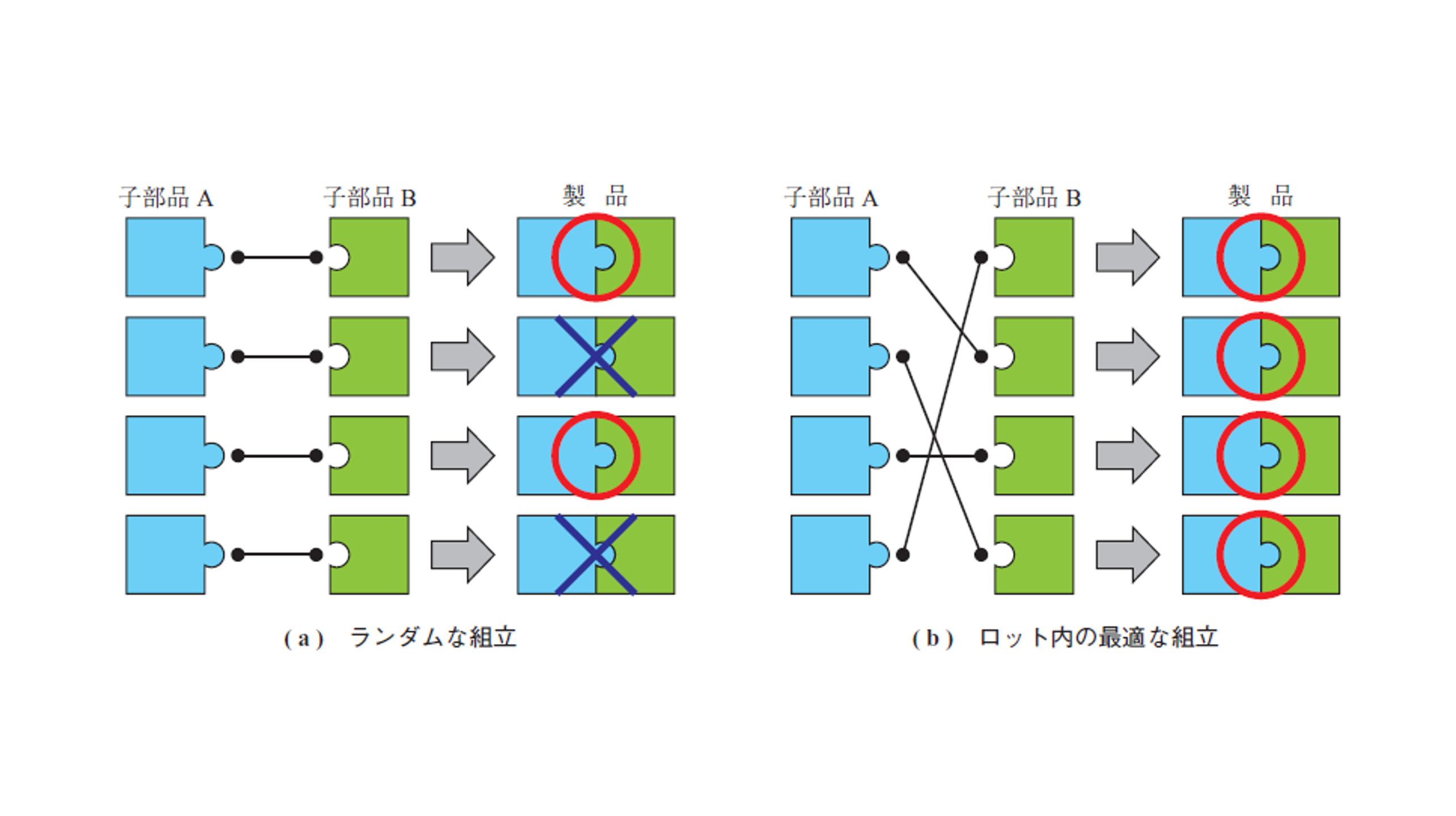
Development of a Data-Driven Selective Assembly Technique for Subcomponents

  • OKUBO Eiichi, KAWAGUCHI Akihiro

In the product assembly process in manufacturing, slight variations in the shape or characteristics of subcomponents can sometimes affect the quality after assembly. In this paper, we propose a method that predicts the probability of failure for subcomponent combinations using a machine learning model trained on historical data, and searches for the optimal combinations using the Hungarian algorithm. Through simulations, we demonstrated that the proposed method can reduce the defect rate compared to random matching, suggesting its potential effectiveness for improving manufacturing efficiency and reliability.

Multiscale Modeling and Process Design of Reaction-Diffusion in CVI for CMC Manufacturing

  • FUKUSHIMA Yasuyuki, NAGANO Risa, RIECHELMANN Dirk, AKIKUBO Kazuma, ABE Yasuto, OJIRO Yoshihiro

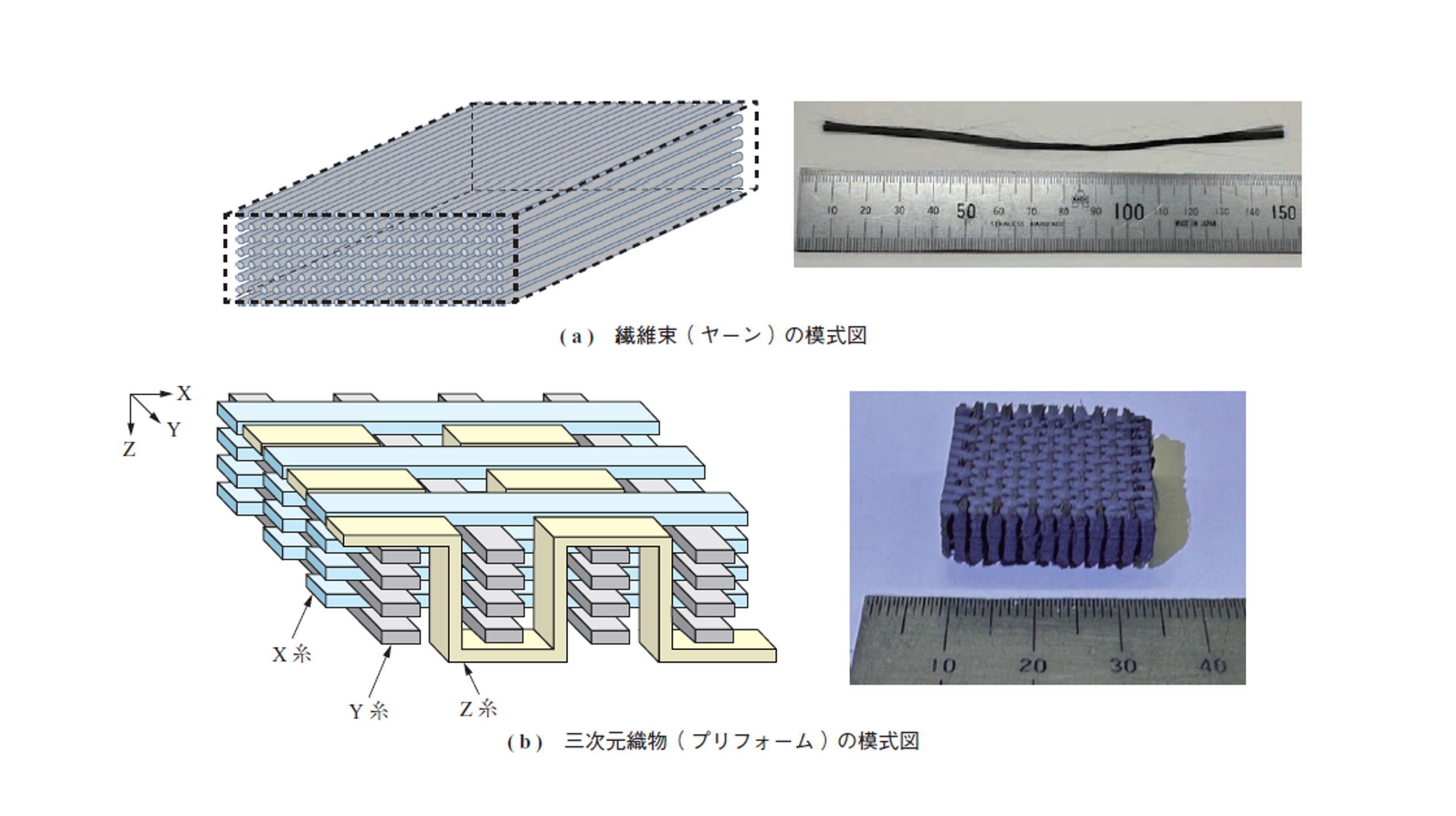
Ceramic matrix composites (CMCs), which are expected to be used in high-temperature components of aircraft engines, consist of millimeter-scale preforms woven from yarns of hundreds of SiC fibers each with a diameter of about 10μm. In the CMCs manufacturing process, chemical vapor infiltration (CVI) is performed in meter-scale reactors to form SiC matrix inside a preform. This CVI process requires technically precise control of reactions and diffusion in both the microstructure of preforms and yarns and the microscopic and macroscopic scales of the entire reactor to achieve uniform deposition. In this study, we analyzed micro-scale phenomena using reaction and diffusion equations and macro-scale phenomena using computational fluid dynamics (CFD) with the aim of efficiently designing reactors that are adaptable to a wide range of operating conditions.

Hydrogen Production by Thermal Decomposition of Natural Gas Second Report : Results of the Continuous Operation

  • ITO Takamasa, SAWANO Sota, MIYAGI Hiroya, KUMAGAI Yasuzo

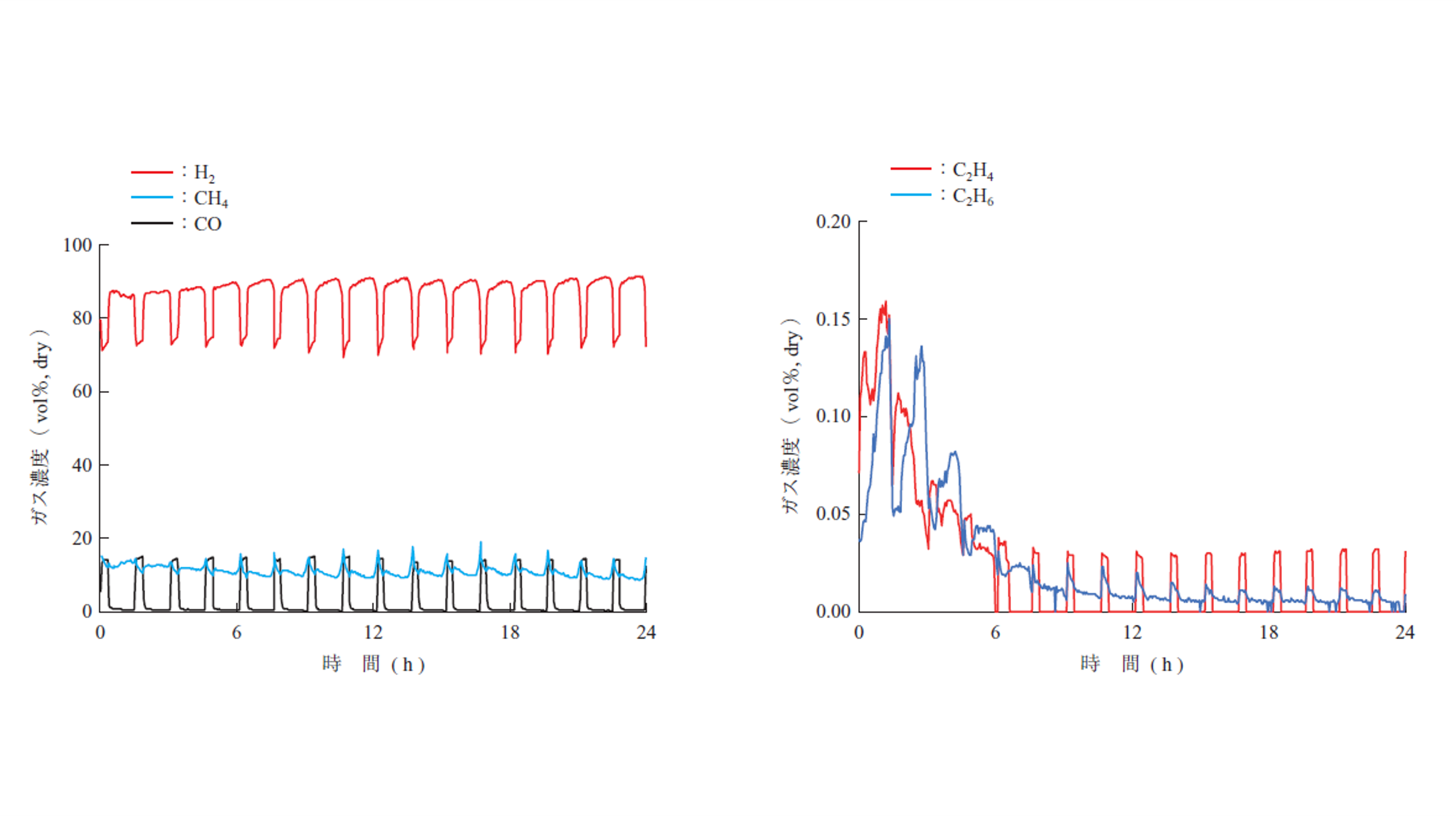
Hydrogen production by thermal decomposition of natural gas is expected as the key technology to achieve both low cost and low CO2 emissions since the energy consumption in the production process is lower than that of conventional technologies and the carbon in the natural gas is collected in the solid phase. In the previous report(1), the technical concept adapting the fluidized bed for the reactor was introduced. After then, the continuous operation over 24 hours with new experimental equipment (10 kg-H2/d) was achieved. This report informs the results of the continuous operation.

Evaluation of Corrosion Resistance Using Image Processing and Coating Degradation Curves

  • MIZUSHINO Kotaro, KITAMURA Shunya, AKAMINE Kenich, YUSE Fumio, MATSUBAYASHI Takuto

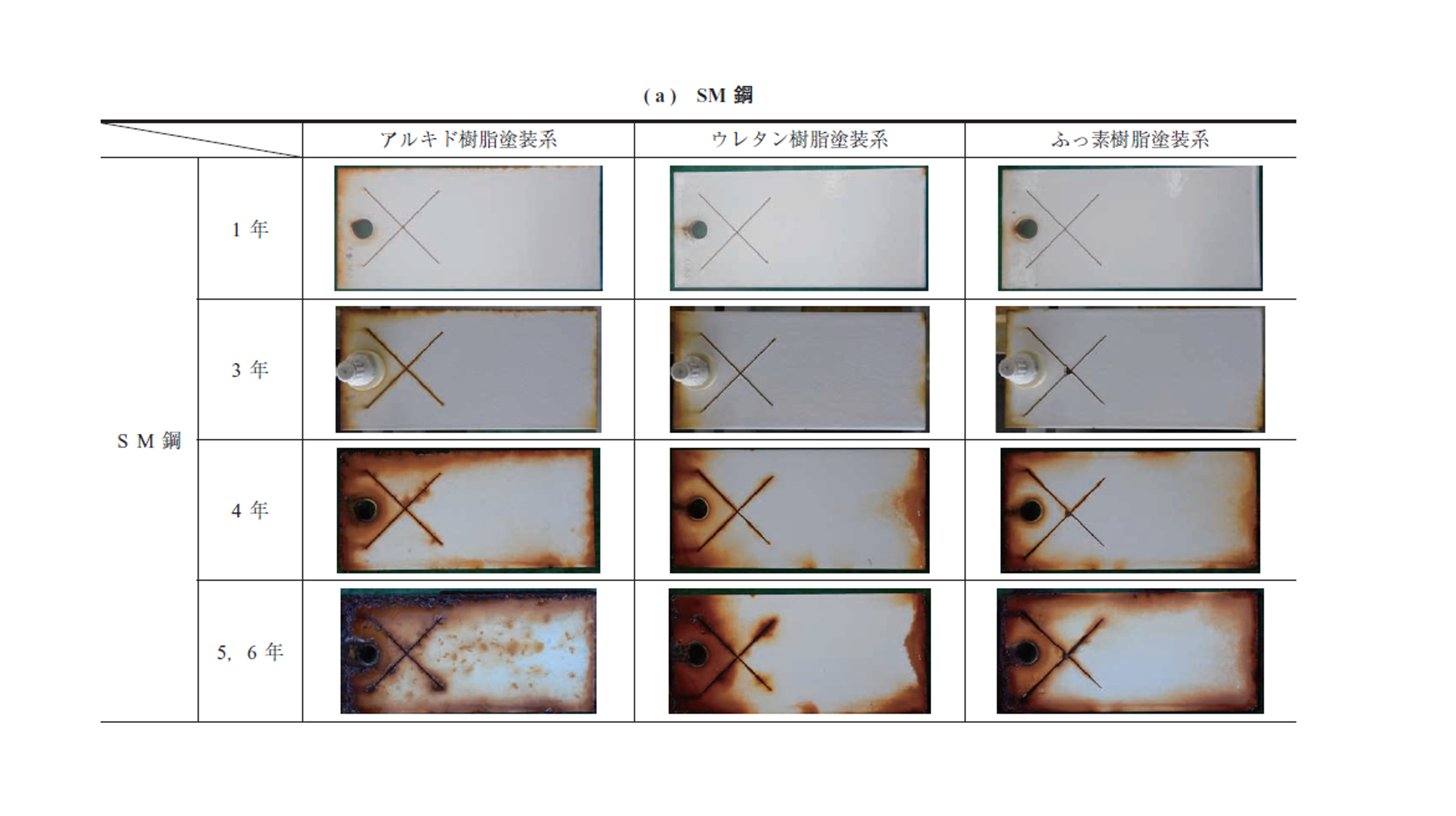
Coated specimens of alloy-added steel and conventional SM steel were subjected to an outdoor exposure test for five years and seven months. By applying image processing to photographs of the specimens taken at different time intervals, the degraded areas were quantified, and coating degradation curves were generated. These curves revealed the progression of degradation for each coating system and demonstrated that alloy-added steel exhibits superior corrosion resistance compared to SM steel.